
Bi Fold Doors uPVC or Aluminium – Understanding the Difference
February 17, 2026
News
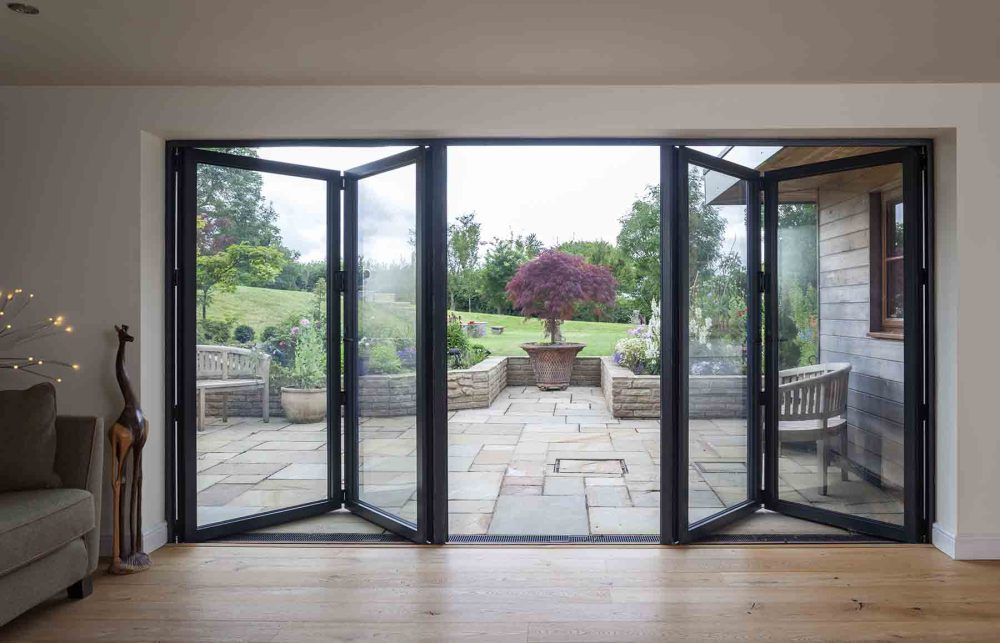
When homeowners search bi fold doors uPVC or aluminium, they’re usually trying to work out which best option is actually worth installing. Both types open in the same way and create the same indoor-outdoor connection, but the best material used in the frame changes how the doors look and perform over time.
The difference is less about function and more about durability, appearance, and long-term reliability. That’s why two bifold doors can look similar in photos but feel very different in everyday use, which is why a detailed comparison is important.
North East Bifolds specialise in aluminium bifold door systems designed for wide openings and smooth operation. To understand why, it helps to look at where each material suits a project.
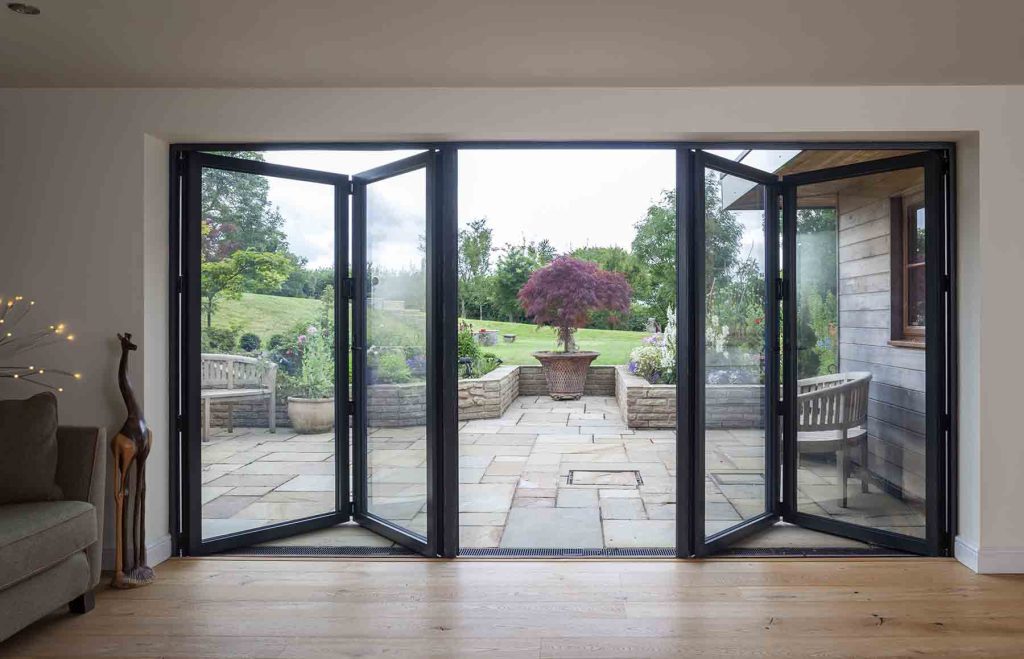
Quick Difference Overview
When comparing bi fold doors uPVC or aluminium, the main differences come down to practical factors:
- upfront cost
- frame thickness
- panel size
- lifespan
- long-term reliability
These influence not only the appearance but also how the doors operate after years of regular use.
How the Materials Affect Everyday Use
uPVC is lighter and cheaper to produce, which makes it a common choice for smaller openings. Aluminium is stronger and more rigid, allowing wider panels with less visible frame.
That rigidity matters once the doors are used daily. Folding doors place weight onto rollers, hinges and locks each time they open. A stronger frame keeps everything aligned so the doors continue sliding smoothly over time. Softer materials can gradually move slightly with temperature changes and may need occasional adjustment.
For homeowners planning a full wall opening across a kitchen or extension, frame strength becomes noticeable very quickly.
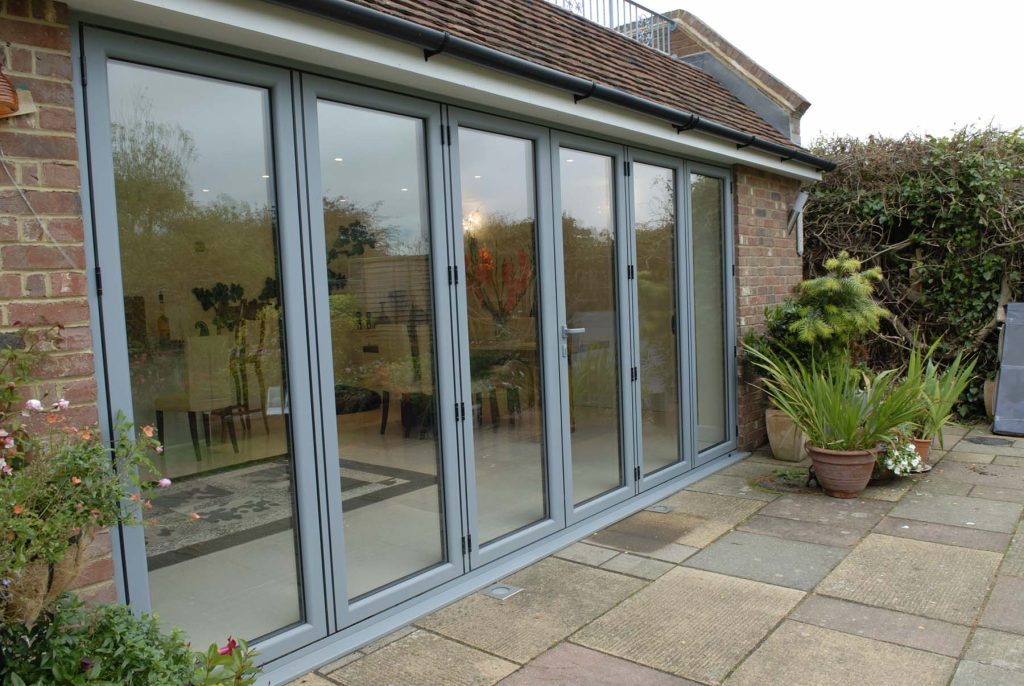
Appearance and Light
Many buyers begin by comparing cost but end up deciding based on how the doors look once installed.
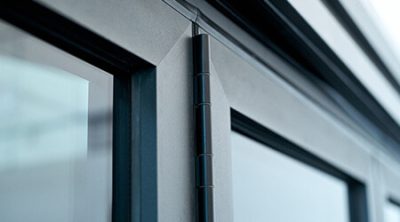
Aluminium frames can be slimmer because the material carries weight without bulky sections. This increases the glass area and lets more natural light into the room. The opening looks cleaner and less interrupted by frame lines.
uPVC frames are thicker, so the door sections are more visible. On smaller openings the difference is minor, but on larger openings it becomes much more noticeable.
Where uPVC Bifold Doors Usually Makes Sense
uPVC bifold doors are typically chosen when:
- the opening is relatively small
- budget is the main deciding factor
- the project is a short-term upgrade
- appearance matters less than cost
They provide the folding function but are generally suited to standard sized openings rather than large spans.
Where Aluminium Bifold Doors Works Best
Aluminium bifold doors are usually preferred when:
- the opening is wide
- slim frames and slim sightlines are important
- the project is a renovation or extension, especially with the introduction of new doors, making them a great choice for such applications.
- long-term durability matters
- the project is a renovation or extension
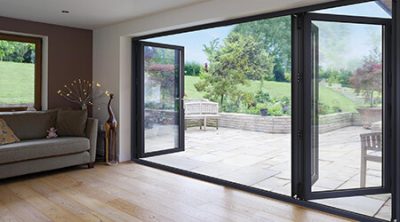
This is why aluminium systems are commonly installed in open-plan kitchen and garden layouts.
Cost and Long-Term Value
When comparing bi fold doors uPVC or aluminium, the upfront price difference for uPVC products is clear. uPVC costs less initially, while aluminium requires a higher initial investment.
Over time, the gap narrows. Aluminium generally lasts longer and maintains alignment better, meaning fewer adjustments and replacements for general maintenance. Powder-coated finishes also resist fading and weathering, so the doors keep their appearance for many years.
Rather than cheap versus expensive, the decision becomes short-term saving versus long-term reliability.
What Actually Affects Energy Efficiency
Thermal performance depends on more than the frame material:
- glazing specification
- installation quality
- sealing around the frame
- ventilation design
Modern aluminium doors include thermal breaks, so comfort inside the room relies more on glazing and installation than the material alone.
Security and Reliability
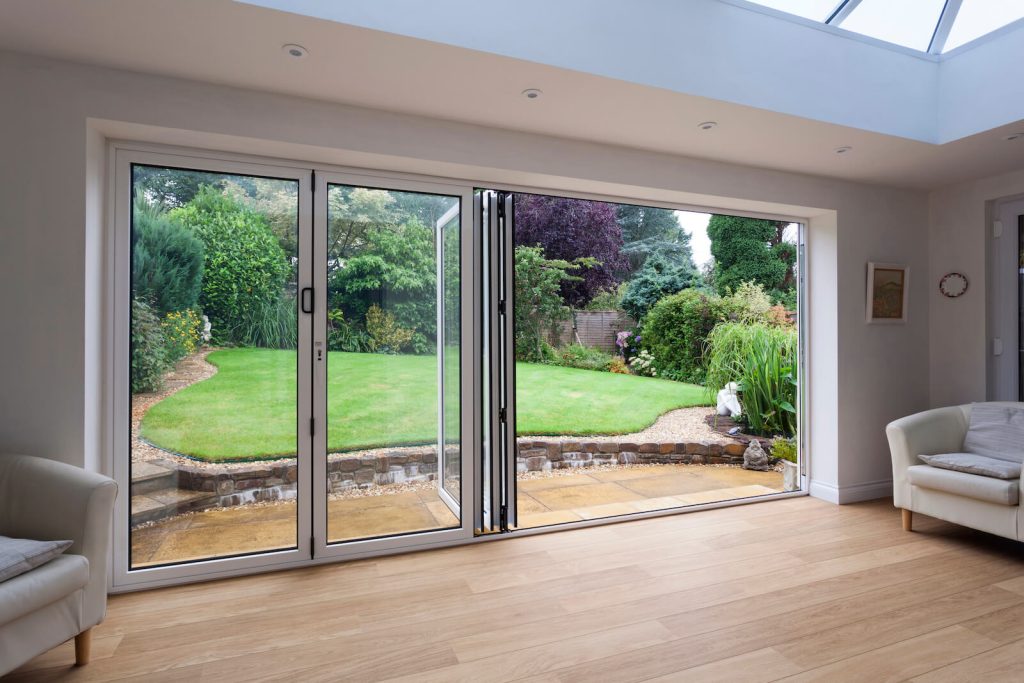
Security comes from the locking system and installation accuracy, but frame strength supports internal doors. A rigid frame, particularly for a modern bifold door, helps locks engage correctly and stay aligned across the full span of the opening.
This becomes more important on wider doors where multiple panels must meet perfectly when closed.
Aluminium vs uPVC Bifold Doors – Choosing Between Them
A simple way to decide between bi fold doors made of unplasticised polyvinyl chloride (uPVC) or aluminium:
Choose uPVC if:
- keeping initial cost low is the priority
- the opening is modest in size
Choose aluminium if:
- you want larger glass panels
- the doors will be used daily
- longevity and appearance matter
Making the Right Choice
Both materials achieve the same purpose, but they behave differently over time in terms of thermal efficiency, especially when considering exposure to UV rays. The decision mainly depends on the size of the opening and how long you expect the doors to perform consistently, allowing you to make an informed decision that could potentially impact your energy bills.
If the goal is a simple folding door at the lowest upfront cost, uPVC door options can suit that type of project. If the aim is to make an informed choice for a wide opening that offers better insulation, stays aligned, looks cleaner, and operates smoothly for years, aluminium becomes the more practical option, while uPVC remains a popular choice for budget-conscious consumers. For larger openings and everyday use, aluminium bifold doors with superior security features are generally the preferred long-term solution due to their strength and consistent performance.
Planning a Bifold Door Project?
If you’re planning a new opening or extension and want advice specific to your space, speak with North East Bifolds. We can assess your opening size, layout and usage to recommend the right aluminium bifold door configuration, especially when considering the options of aluminium vs uPVC. Contact our team today to discuss your project and arrange a quotation.
FAQs
Are aluminium bifold doors better than uPVC?
Aluminium bifold doors are stronger and have slimmer frames which suit larger openings. uPVC is typically chosen when reducing the initial cost is the main concern.
Do aluminium bifold doors let in more light?
Yes, thinner frames allow larger glass panels which increases natural light. This creates a clearer view and a more open feel between inside and outside.
Do uPVC bifold doors need more maintenance?
They remain low maintenance but can require adjustment over time. Temperature movement may slightly affect alignment after years of use.
Are aluminium bifold doors warmer?
Modern aluminium systems use thermal breaks to improve insulation. The glazing and installation quality have a greater impact on warmth than the frame material.
Which bifold doors last longer?
Aluminium doors generally last longer due to their rigidity and resistance to weathering. uPVC performs well but usually has a shorter lifespan.
Are bifold doors suitable for large openings?
Yes, bifold doors are ideal for wide spaces linking house and garden. Aluminium frames support larger spans more reliably because they are stronger.